












Refrigerated transport is the transportation of goods under controlled temperature conditions. During transport, products are kept within a predetermined temperature range to ensure quality, safety, and shelf life. Within international supply chains, refrigerated transport is an important part of the so-called cold chain, where temperature control is central from storage to delivery.
For products that are sensitive to temperature fluctuations, even a small deviation can lead to quality loss, rejection, or even render the goods unusable.
What does refrigerated transport mean?
In refrigerated transport, goods are transported in specially equipped vehicles with temperature control systems. Depending on the type of product, a specific temperature is set and continuously monitored throughout the transport process.
Refrigerated transport is widely used for:
- Packaged food products
- Dairy products
- Meat and fish products
- Flowers and plants
- Certain medical devices
- Other temperature-sensitive goods
The goal is to maintain product quality throughout the entire transportation process, regardless of outside temperature or transport distance.
What does refrigerated transport mean in practice?
In practice, refrigerated transport involves more than just a refrigerated truck. The temperature must remain stable throughout the entire logistics chain. This means that loading processes, storage locations, and distribution moments must also be carefully coordinated.
For companies working with temperature-sensitive products, this can be essential. A break in the temperature chain can lead to:
- Reduced product quality
- Shorter shelf life
- Rejection of goods
- Financial losses
- Reputational damage with customers
For this reason, refrigerated transport is often integrated into broader logistics processes where monitoring and process control play an important role.
What is a cold chain?
A cold chain is the complete logistics chain in which products are continuously maintained within the correct temperature range. This often starts at the producer and continues all the way to the end user.
Several links can be involved within a cold chain:
- Production and packaging
- Temperature-controlled storage
- Refrigerated transport
- Distribution
- Delivery to the final destination
The success of refrigerated transport largely depends on the cooperation between these different parties. If one link applies insufficient temperature control, it can affect the entire goods flow.
How does refrigerated transport work?
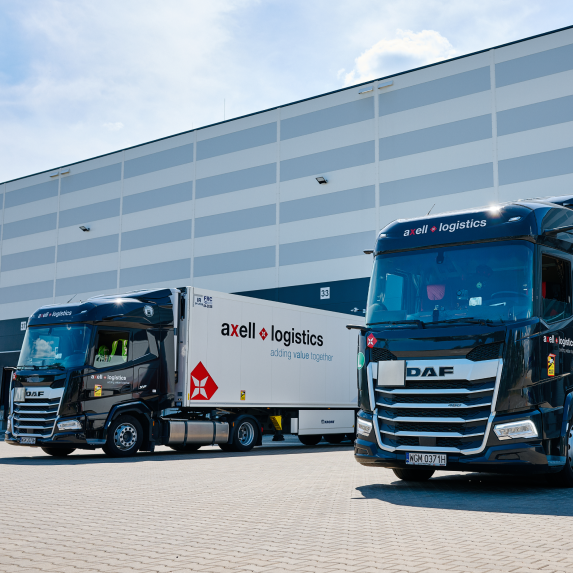
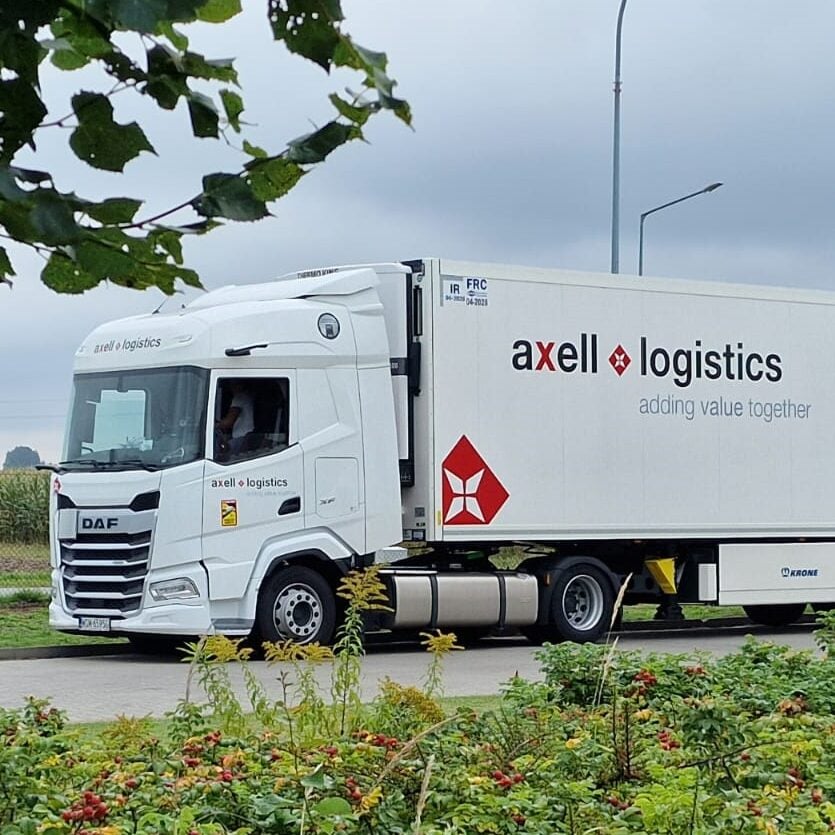
Refrigerated transport uses vehicles equipped with refrigeration units. These systems ensure that the desired temperature is maintained throughout the journey.
Temperature zones
Different temperature zones can be used depending on the product.
Common temperature zones include:
- Frozen transport (below -18°C)
- Chilled transport (0°C to 7°C)
- Temperature-controlled transport (8°C to 25°C)
The exact temperature requirements vary by product category and regulations.
Monitoring and control
Modern refrigerated transport increasingly uses sensors and recording systems. These allow temperatures to be monitored and recorded throughout transportation.
This provides companies with greater insight into their logistics processes and helps demonstrate compliance with quality and safety requirements.
Benefits and considerations of refrigerated transport
Benefits
- Preservation of product quality
- Longer shelf life of goods
- Reduced risk of product loss
- Improved food safety
- Greater control over temperature-sensitive goods flows
Considerations
- Higher transportation costs than standard transport
- Dependence on properly functioning refrigeration systems
- Strict process alignment within the supply chain
- Additional focus on monitoring and documentation
For organizations working with temperature-sensitive products, these considerations are often outweighed by the benefits of maintaining quality and delivery reliability.
How does a logistics partner support this?
Refrigerated transport is only one part of a well-organized supply chain. Storage, inventory management, and distribution also play an important role in maintaining product quality.
A logistics partner can provide support with warehousing, inventory management, and the coordination of goods flows. This creates greater control over the entire logistics process.
For national distribution, transport solutions within the Netherlands can contribute to the efficient and reliable delivery of goods.
Companies operating internationally can also benefit from integrated solutions for international transport, where different transport modalities are aligned with one another.
It is important to note that temperature-controlled transport is not a standard part of all logistics services. The possibilities vary by location, product type, and logistics situation. Within complex supply chains, it is therefore advisable to assess in advance which transport and storage conditions are required.