

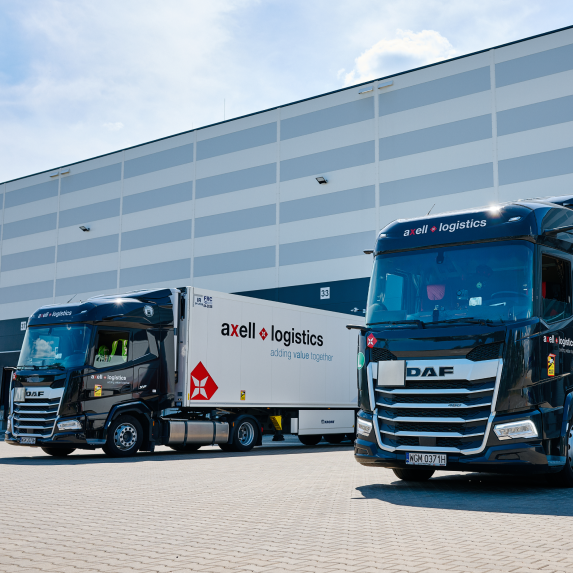








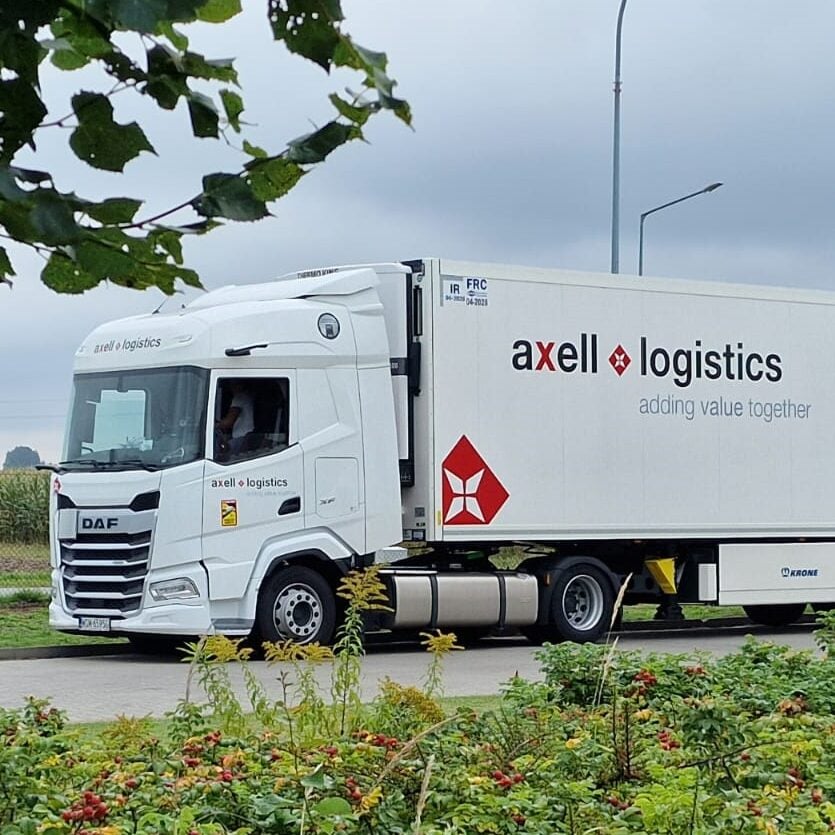




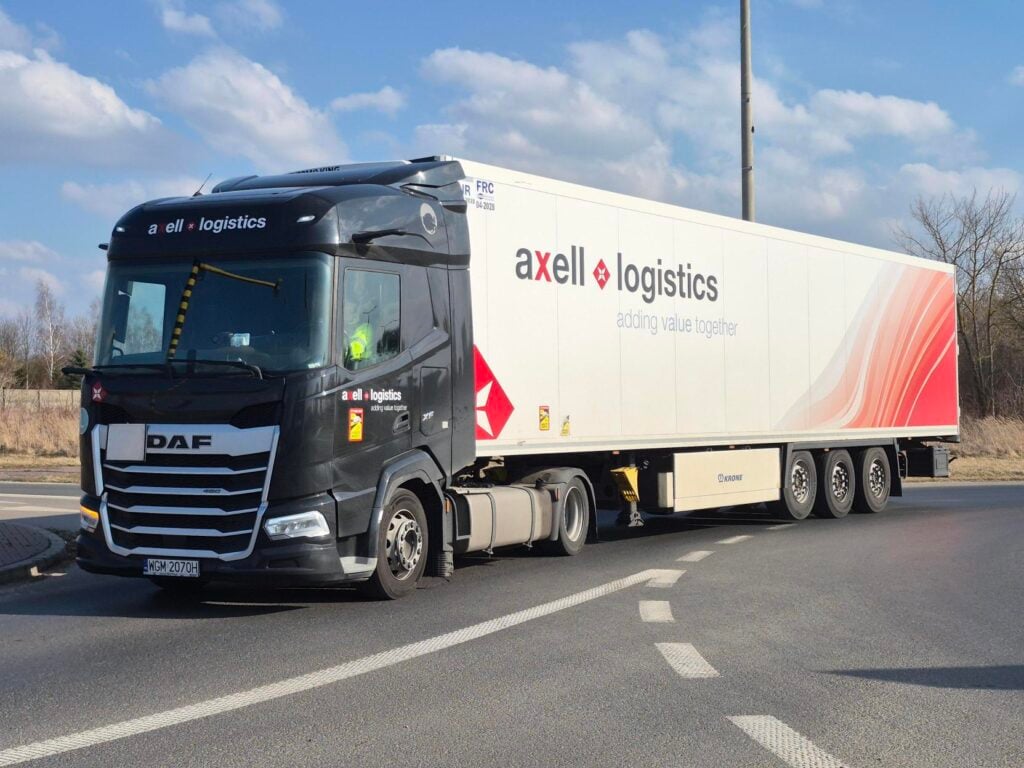
National transport is the transportation of goods within the borders of one country. In the Netherlands, this may involve transport between suppliers, warehouses, distribution centers, stores, and end customers. National transport forms an important link within the logistics chain and ensures that products arrive at the right destination on time.
For many organizations, national transport is a daily part of business operations. Whether it concerns retail products, industrial goods, or medical devices, a reliable transport flow contributes to an efficient supply chain and high customer satisfaction.
What does national transport mean?
With national transport, both the point of departure and the final destination remain within the same country. This means there is no cross-border transport or international customs procedures.
Transport can take place between different locations, such as suppliers, production sites, warehouses, distribution centers, and customers. Depending on the goods flow, companies can use different forms of transport, such as full truckloads, groupage shipments, or distribution routes.
The goal of national transport is to move goods efficiently, safely, and according to agreement within a country.
How does national transport work?
The process usually begins once goods are ready for shipment. Transports are then planned based on the destination, delivery time, and type of goods.
After the freight is loaded, the goods are transported to their final destination. Along the way, factors such as route planning, traffic conditions, and delivery windows play an important role. Modern transport companies often use Transport Management Systems (TMS), which allow shipments to be tracked in real time.
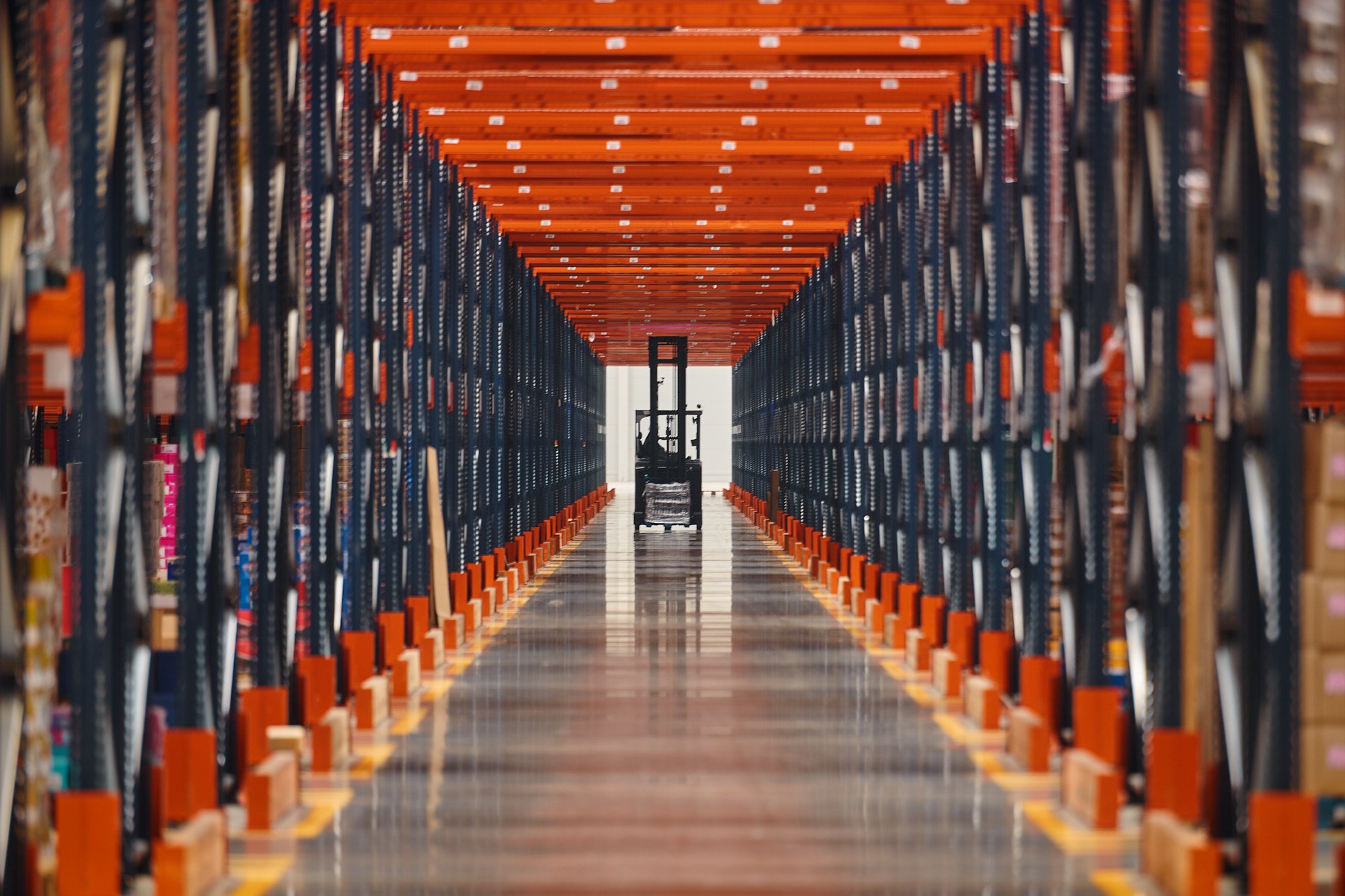
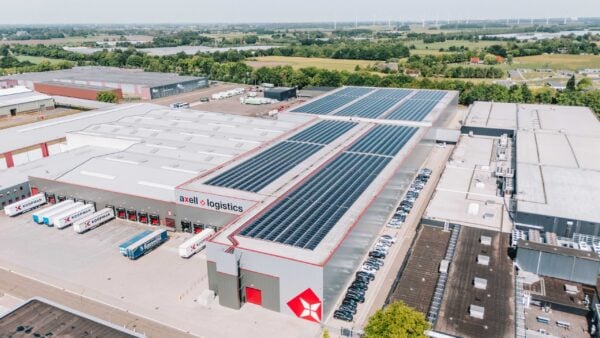
Within many supply chains, national transport is part of a larger logistics process. Products are often first stored in a warehouse and then transported via distribution routes to customers or points of sale.
What does this mean in practice?
National transport occurs in almost every sector. A retailer needs stores to be replenished on time, an e-commerce company wants to deliver orders quickly, and a manufacturer needs a reliable supply of materials to keep production processes running.
When transports are delayed, this can affect the entire supply chain. Think of empty store shelves, delayed deliveries to customers, or production stoppages due to a shortage of parts.
That is why speed and reliability are important factors within national transport. Many organizations focus not only on delivery time, but also on delivery reliability. By planning transports properly and having real-time visibility into shipments, disruptions can be managed more quickly.
Benefits and considerations
National transport offers several advantages. Because goods are transported within one country, processes are often simpler than with international transport. No customs formalities are required, and delivery times are usually shorter and more predictable.
In addition, companies can respond more quickly to changes in demand and benefit from frequent delivery options. This contributes to more efficient inventory management and a higher service level.
At the same time, there are considerations. Traffic congestion, roadworks, peak periods, and staff shortages can affect the performance of transport networks. Rising fuel costs and stricter sustainability requirements are also playing an increasingly important role within the logistics sector.
A successful national transport process therefore requires good planning, reliable partners, and insight into the complete flow of goods.
How does a logistics partner support this?
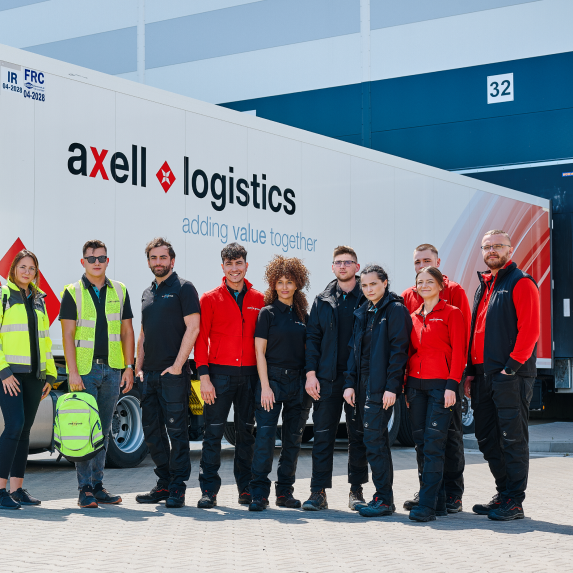
Many organizations fully or partially outsource their transport activities to a specialized logistics partner. This gives them access to transport capacity, logistics expertise, and modern technology for transport planning and tracking.
With transport within the Netherlands, goods can be transported efficiently between suppliers, warehouses, and customers. By combining and planning transports intelligently, costs can be controlled and performance can be improved.
Distribution also plays an important role in efficiently delivering goods to multiple locations. For organizations that want to further integrate their logistics processes, contract logistics can ensure better coordination between storage, inventory management, and transport.